

Take Aways From This Post
Are you digital nomad with a serious case of wanderlust during COVID19 travel restrictions? Not all hope is lost. Many European countries are still (very carefully) allowing visitors in their borders. To help you live your digital nomad life to the fullest during COVID19, we’ve made a list of the top digital nomad friendly cities in Europe.

Ever since safety measures and regulations regarding the COVID-19 pandemic started, government bodies all over the world encouraged employers to promote remote work. Months later, some countries have contained and controlled the virus. They’ve eased their rules regarding travel and social distancing.
Several cities in Europe are now open to tourists. Additionally, many employers are reconsidering the need for employees to go back to the office. Since they have adjusted well to remote work, why not stay that way? It saves up on office space expenses too!
As a person who is not based in an office, you are location-independent or what’s commonly known as a digital nomad. With this, you can work anywhere. So, why not work in the best digital nomad locations in Europe? To help you live your digital nomad life to the fullest, we’ve gathered a list of the best places in Europe to work remotely.
Here are some digital nomad friendly cities in Europe, where you can travel and work during COVID-19 in 2020.
Disclaimer: At the time of writing this article, the travel regulations were verified with the information on the official websites of the following countries. Since the situation is changing frequently please recheck the latest travel information from the official sources.
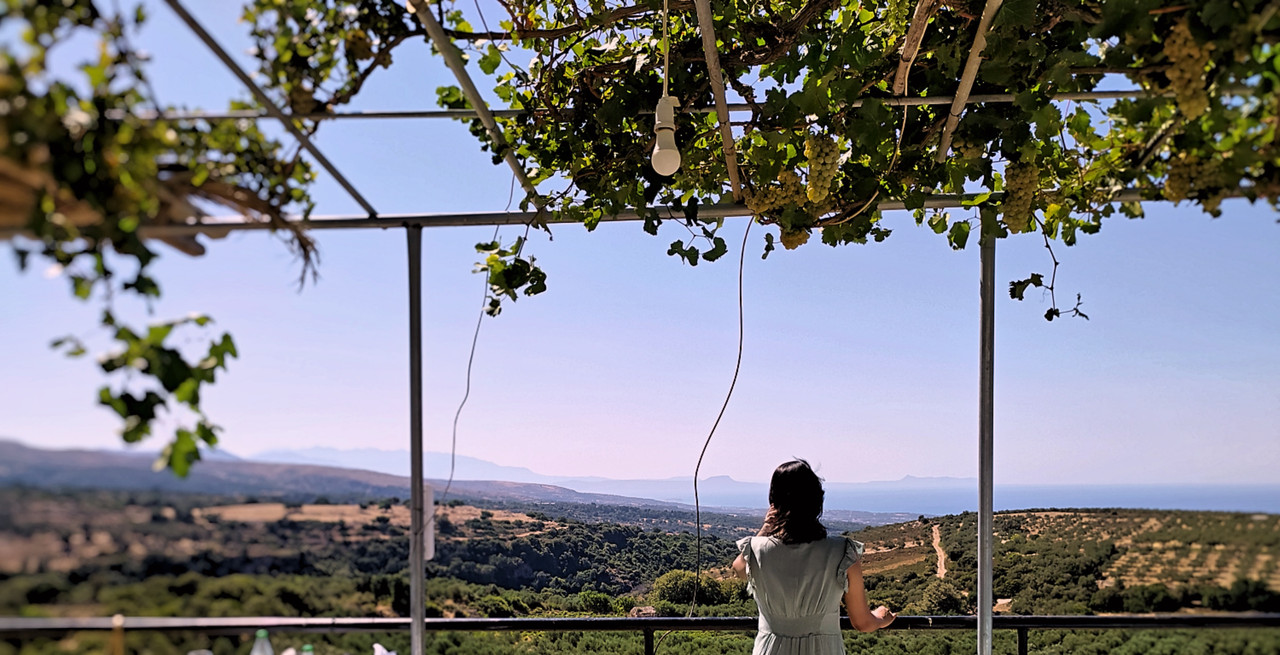
Crete, Greece
Greece is a country known for its historical Greek relics and mythology. Working in Greece will feel like you’re living in a museum with its charming architectural beauty seen everywhere. One of Greece’s best islands and digital nomad destinations in Europe, Crete is an island where you’ll be close to the picturesque locations and the beach.
COVID travel regulations: Travellers are required to fill up the Passenger Locator Form (PLF) before entering the country. The form will indicate details like the point of departure, duration of stays in other countries, and the address of your accommodation in Greece.
According to Greece’s official travel page, you are also required to have a “negative molecular test result for COVID-19, performed up to 72 hours before your entry to Greece.”
Best area: If you want a laidback life, Lasithi prefecture is a pleasant area that is close to the other beaches. On the other hand, if you want a modern city scene with buzzing nightlife, Chania or Heraklion are the destinations for you. As one of the digital nomad hubs in Europe, Heraklion is also where the most popular co-working spaces are located.
Cost of living: Living in Crete is affordable. The cost of living is between $500 to $1,000 a month without rent.
Quality of life: Compared to North America and Western or Northern Europe, living in Crete is far more affordable. However, compared to living in mainland Greece, basic food items may be more expensive. It’s advised to be thrifty on shopping to save your euros. You can do this by buying fruits and vegetables that are in season rather than imported goods.
Use of English: You won’t have a problem conversing with locals using English. Local staff in main towns and neighbouring villages are mostly multi-lingual. However, it’s advised to be familiar with the Greek alphabet to be able to read signs that may not be written in English.
Visa: Digital nomads that are citizens of the USA, Canada, Australia, UK, and other EU countries can enter Greece without a visa for up to 90 days.

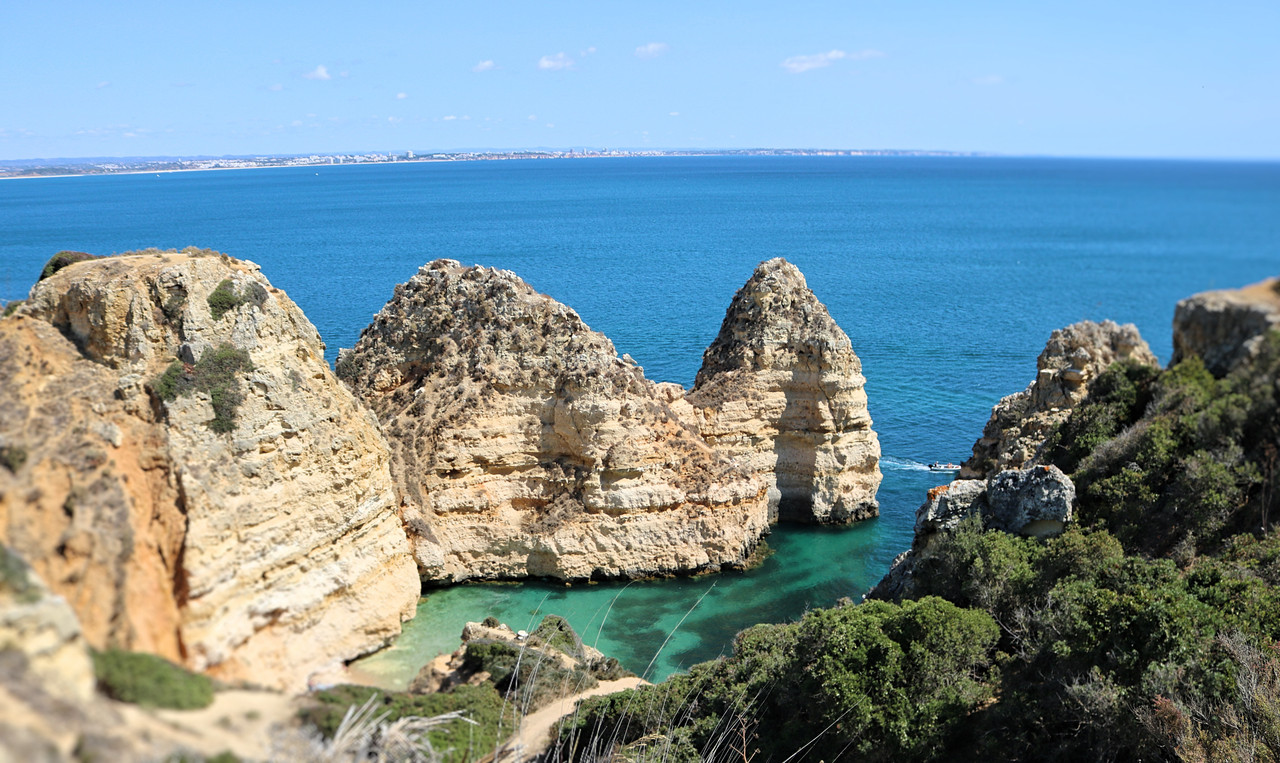
Lagos, Portugal
Lagos is a sunny town that’s known for its prime surfing spots and an active nightlife. For digital nomads, the place has numerous internet cafes and coworking spots. Plus, the rent’s cheap! With these features, it’s no surprise Lagos is on our list of best places in Europe to work remotely.
COVID travel regulations: Portugal has partially restrictive travel regulations. Only selected countries are allowed to fly to Portugal. To view the complete list of countries that are allowed to visit Portugal, visit Portugal’s official tourism website. In Lagos, general behaviour guidelines are observed. People are instructed to a social distance at 2-metres apart and wear face masks in public.
Best area: Old town is the most central area of Lagos. It has charming, cobbled streets, alluring shops, and alfresco cafes. Lagos is a walkable town that’s near sandy beaches and cave grottos.
Cost of living: Living in Lagos is inexpensive, especially when purchasing food and drinks. For a single person, a budget of $500 to $700 is sufficient. However, it still depends on how you live your digital nomad life.
Quality of life: Rent prices are reasonable in Lagos. Monthly rentals for 1-2-bedroom apartments start at $350. Lagos is one of the best digital nomad cities in Europe. It is low-priced while being surrounded by history, gorgeous landscapes, mild climate, and great surf spots.
Use of English: English is widely spoken in Lagos since it’s a spot with lots of tourists, expats, and digital nomads. According to locals, a lot of people stay in Lagos for years without having to learn Portuguese. Even if this is a common situation in Lagos, it’s still best to learn the local language wherever you travel to.
Visa: Depending on what country you live in; you may need a visa when entering Portugal. However, if you’re from countries like the European Union (EU), Canada, and the US, you won’t need a visa. Check the full list of countries in Portugal’s official website.
Prague, Czech Republic
Digital nomads have talked about Prague being one of the best digital nomad locations in Europe. It has fast and reliable internet connection, pleasant people, outstanding food, and coworking spaces, among others. Prague is a walkable city with easy to navigate transportation that makes it effortless to get around.
COVID travel regulations: For digital nomads that live in countries with a low risk of coronavirus cases, you’re free to travel to Prague like how things usually go. However, if your country is not on the cleared list, you will need to fill up the Public Health Passenger Locator Form. You will also have to undergo a PCR test and submit your results before entering the Czech Republic. View the complete list of cleared countries on the Czech Republic’s official website.
Best area: Located in Prague 2, Vinohrady is a neighbourhood that has a local feel while being an accessible area to the city centre. Its quiet but central streets are lined with trees and gorgeous buildings. The location is convenient and has cool coworking spaces.
Cost of living: Compared to other major cities in Europe, Prague’s expenses are low. For a single person, monthly expenses can go around $1,500.
Quality of life: Not everything in Prague is cheaper than its neighbouring cities. Healthcare and entertainment are observed to cost the same as the rest of Europe’s major cities. Besides that, almost everything, from transport to food expenses, is affordable.
Use of English: There are a lot of English speakers in Prague especially in tourist spots. Waiters, hotel attendants, and cab drivers speak English as well. The only ones that you’ll encounter a difficult English conversation with are the elderly and police officers.
Visa: If you’re a national of the EU countries, a visa is not required to enter the Czech Republic regardless of your purpose or length of stay. For citizens of the US, Australia, and Canada, you can stay in the Czech Republic for up to 90 days without a visa.
For a complete list and guide of the Czech Republic’s visa information check the official website of the Ministry of Foreign Affairs.
Stay protected during COVID19 and cover your medical expenses in case you get sick
Tallinn, Estonia
Estonia is known as the birthplace of Skype. It may not look like it’s one of the best digital nomad locations in Europe with its old churches, quaint cottages, and vast woodlands. But would you believe that Estonia has more start-ups than Silicon Valley? With this background, Estonia recently launched a digital nomad visa to encourage people to come and stay here.
COVID travel regulations: Estonia welcomes digital nomads with no signs of COVID-19 symptoms. However, they should be citizens from the European Union, Schengen area, United Kingdom of Great Britain, Northern Ireland, and selected countries. For the full list of countries, be sure to check Estonia’s official website.
Best area: Like most digital nomad destinations in Europe, Tallinn has different neighbourhood areas, but the best one for digital nomads is Kalamaja. The area has an artistic vibe where most students and creatives reside. Kalamaja has trendy cafes and cool restaurants.
Cost of living: On average, living in Tallinn will cost around $1,600 a month, including rent.
Quality of life: For a developed/first-world country, Estonia’s expenses are considered cheap. With the country’s society and culture, Estonians are known to be quiet and outdoorsy. Regarding accessibility and transportation, Tallinn is a walkable city with an easy public transport system.
Use of English: The younger Estonian generation understands and speaks English naturally due to western pop culture upbringing. When one does not speak Estonian or Russian, the common ground language used is English.
Visa: In August of 2020, the Digital Nomad Visa was launched in Estonia. The visa will allow you to stay in Estonia as a tourist while working for a foreign employer or as a freelancer.
Acquiring the Digital Nomad Visa isn’t as easy as it sounds. According to Estonia’s Ministry of Interior, you will have to undergo the standard visa application process and go through a thorough background check. You will have to prove you’re a digital nomad.
2021 Update: Read our guide about how to apply for Estonia’s digital nomad visa.

Split, Croatia
As one of the digital nomad hubs in Europe, Croatia is a beautiful country that has a high level of safety, internet speed, and English speakers. It’s a seaside country that surrounds you with the elegance of Europe. No wonder why there is a growing expat and digital nomad community.
COVID travel regulations: Croatia allows entry to all foreign nationals. For UK and EU citizens, there are no entry restrictions. However, if you’re a non-EU/non-UK national, you will need to have a negative COVID-19 test result taken within the previous 48 hours and proof of booked accommodation.
Best area: The centre of Split is Old Town. It’s close to historic buildings and major attractions. Almost every establishment is walkable which can save up on public transportation spending. Old Town is also near shopping districts and beaches.
Cost of living: Depending on your lifestyle, life in Croatia is low-cost compared to other countries in Europe and North America. On average, a single person can suffice with a budget of $1,200 monthly.
Quality of life: According to Total Croatia News, “Croatia has a very high quality of life, even ahead of France and Ireland.” Croatia is also a safe country sitting at 118 out of 133 at crime index rankings. Regarding eating out, seafood is the main cuisine. It’s also cheaper compared to the rest of Western Europe.
Use of English: More than half of Croatia’s population can speak English especially those who are below 50 and living near the main tourist areas. You might find difficulty in striking a conversation to elderly Croats and those who are in rural areas.
Visa: In September 2020, great news of sun and sea-loving remote workers came from Croatian Prime Minister Andrej Plenkovic. He tweeted that Croatia will soon offer digital nomads visas especially designed for digital nomads and remote workers. The Aliens Act amendment could make Croatia one of the first countries in the world to regulate the stay of digital nomads.
Currently, foreign visitors from countries in the UK, US, Australia, the EU, Canada, and Australia do not need visas. If you are from these countries, you can stay in Croatia for up to 90 days. For other countries, you can check the website of Croatia’s Ministry of Foreign Affairs to review visa requirements.
2021 Update: The Croatian digital nomad visa is official now! Read all about Croatia’s digital nomad visa, what are the requirements and how to apply for it.

Also Read: Tips on How to Be a Digital Nomad During COVID19
Think about getting travel insurance
If there’s something we’ve learned from 2020 is that life can be unpredictable. It’s hard to tackle an uncertain circumstance when you’re in a foreign place. So, before you leave, it’s highly advised to get travel insurance dedicated to digital nomads and remote workers. Whether it’s regarding your safety or the safety of your belongings, it’s essential to be prepared.
SafetyWing offers excellent health insurance plans with COVID19 coverage for remote workers and digital nomads (probably the only and the most comprehensive cover for those without a permanent home base!). Armed with adequate health insurance, strict adherence to the hygiene concepts and local COVID rules you will be able to realise your dream of being a digital nomad during COVID19.
Being a digital nomad means that you can take your work anywhere, and we mean ANYWHERE. So why not Europe? It has history, culture, architecture, beaches, and buzzing digital nomad districts. It’s all there waiting for you to explore and experience.
Pingback: Top Tips on How to Be a Digital Nomad During COVID19 | Remote Working Expat
Pingback: Croatia Digital Nomad Visa Explained | Remote Working Expat
Pingback: Where to Find Remote Jobs in Europe | Remote Working Expat