
Take Aways From This Post
So, you’ve realised all the amazing benefits of remote working—like being able to earn a living from your living room and in your pjs. But employers hiring remote workers are looking for a little bit more. So, make sure you have these skills for remote working to succeed with clients and employers.
Remote jobs let you work from anywhere—your home, the local cafe, a co-working space, or even the famous-from-the-memes hammock on a
While working remotely sounds so glamorous, it often requires remote workers to have certain skill sets in order to be productive.
Here are five top skills for remote working that will help you get all of the oft-touted benefits of your dream remote working arrangement.
1. Have Great Problem-Solving Abilities
Remote workers work on their own much of the time and don’t have office mates to turn to for some quick question. That’s why employers are eager to hire people who are independent and self-sufficient.
They typically expect their team members to know their job and do their tasks without much hand-holding.
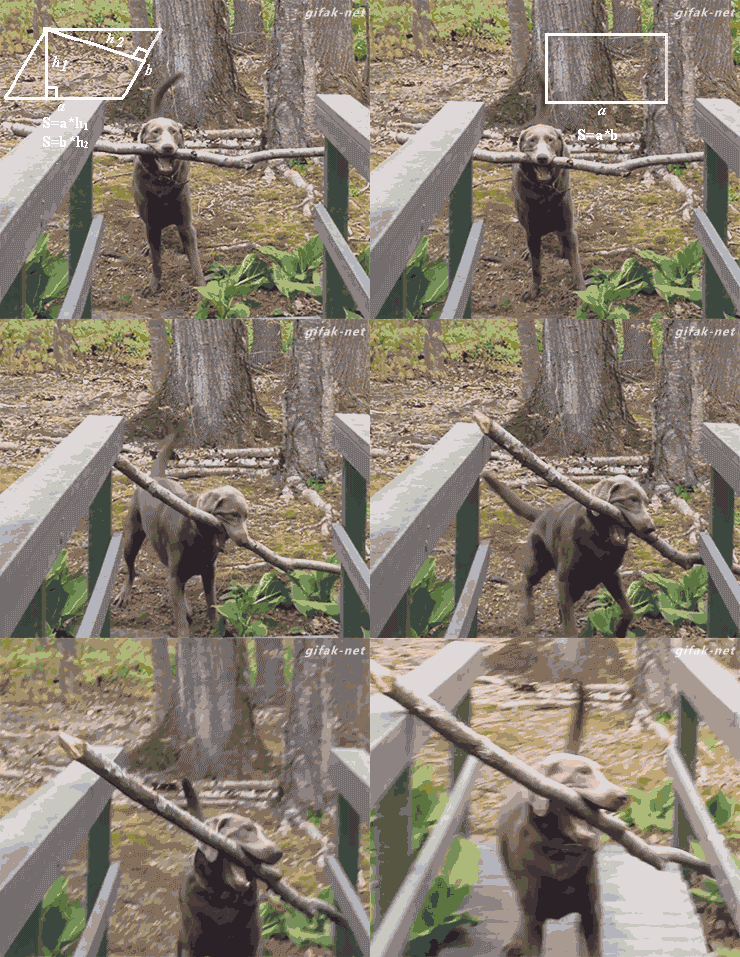
While virtual workspaces allow for communicating with others, responses from your manager or coworkers often aren’t as quick as walking to the boss’ office or discussing an issue with a coworker in the next cubicle.
As a result, remote workers should have the ability to work independently, including being resourceful and problem-solving on their own.
2. Self-Motivation to Stay Productive
Since there is no boss to check on them, a remote worker needs to be self-motivated to get their work done on time. Many new remote workers simply find the temptation to goof off too hard to resist.

So what’s the solution?
Well, identifying the problem – in this case, triggers of distractions – is the first step. For many, it will simply be a case of getting used to a new way of working. If you continue to struggle with managing time consider using a time tracking app to keep yourself on task.
Create their own schedule and routine to stay focused on the task, but also, limit distractions. Having a designated office can provide a barrier to household distractions, such as the television or laundry or in some cases children or pets.
Also Read: How to Stay Productive When Working From Home
3. Strong Communication Skills
Video conferencing and the phone are often used to connect with colleagues in a remote environment. However, email and other messaging tools have been around for ages -even before remote working became a thing! Naturally, they are an integral part of virtual work environments.
Emails carry a certain amount of formality. So for day to day communication with colleagues and quick questions, it is probably better to use an instant messenger like Skype or Slack. No one likes to have a bloated inbox with 50 emails per day for minor clarity questions.
Miscommunication and a lack of message clarity waste time and causes frustration among all workers. As a result, you need to write clearly and succinctly, whether it’s through email, online messaging, or a note in a project management program.
For video con calls, it’s worth staying ever-vigilant that nothing spoils your professionalism. After all, there are horror stories of children wandering or cats jumping up on keyboards.

This is easy to avoid. Simply give a heads up to your family members that you have an important call, and you need half an hour of quiet. Or if you have small children or pets- close that door!
4. Have Cross-Cultural Competency
While remote working usually means working on your own, it doesn’t mean you’re not part of a larger team. Unlike an office with colleagues originating from your city, as a remote worker, you may have coworkers from around the world.
This makes for an interesting and dynamic work culture, but also, it can present problems because of language, communication style, culture, and traditions that can vary around the world.

So you need more than just great communication skills for remote working. You will need to be literate about and sensitive to these cultural differences.
5. Be Technologically Competent
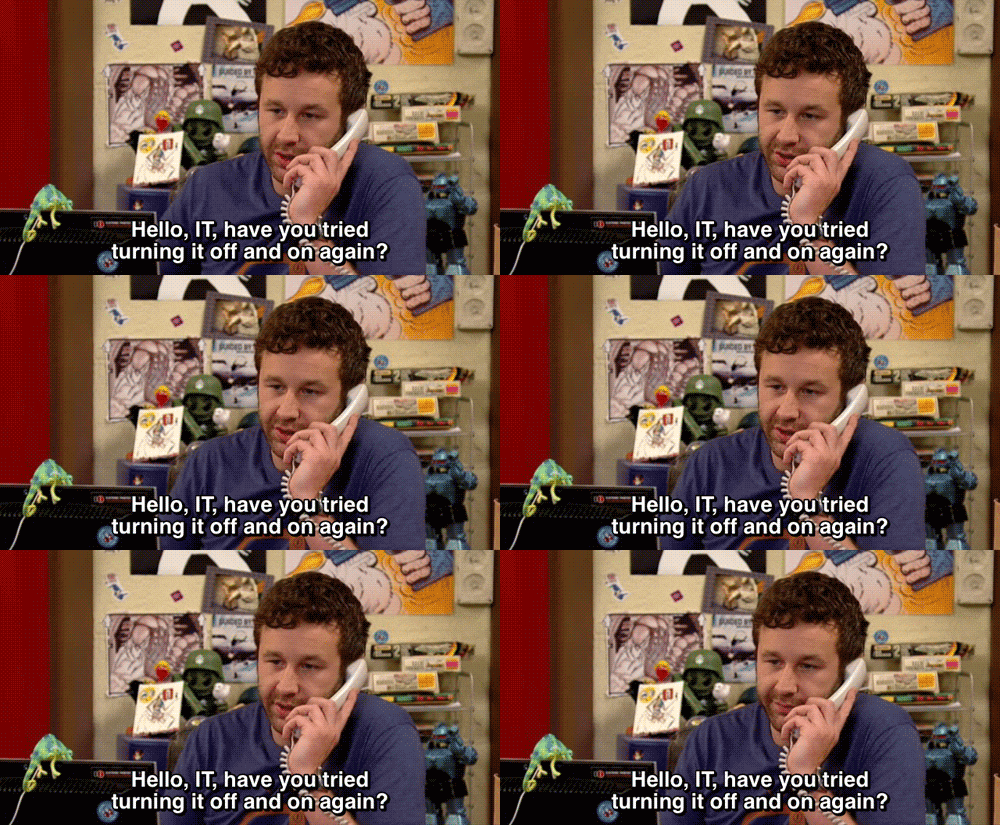
Remote workers don’t have IT support.
That means they have to be comfortable with project management programs, video conferencing, and SaaS tools. Each company has its own suite of applications and workflows for getting work done and keeping workers engaged, so you need to feel at ease in learning new digital tools.
You also have to keep your computer and software up-to-date and make sure that you have a fast internet connection plus a back-up.
Even if a remote job isn’t a technical one, you’ll definitely need to feel comfortable with both software and hardware as a remote worker. And your employers need to be confident that you can manage without an IT department on call.
Related: Tips For Working From Home and Keeping Your Sanity
Remote working has a range of benefits, from giving you more time with your family to cutting out the need for stressful commuting. You could even swap your desk for a beach in Bali if you really want.
But it also presents some unique challenges, which are often overlooked. None of these is deal-breakers though. These just some of the skills for remote working which can help you overcome these.

Ready to work remotely? Find a remote job with an EU based company today!